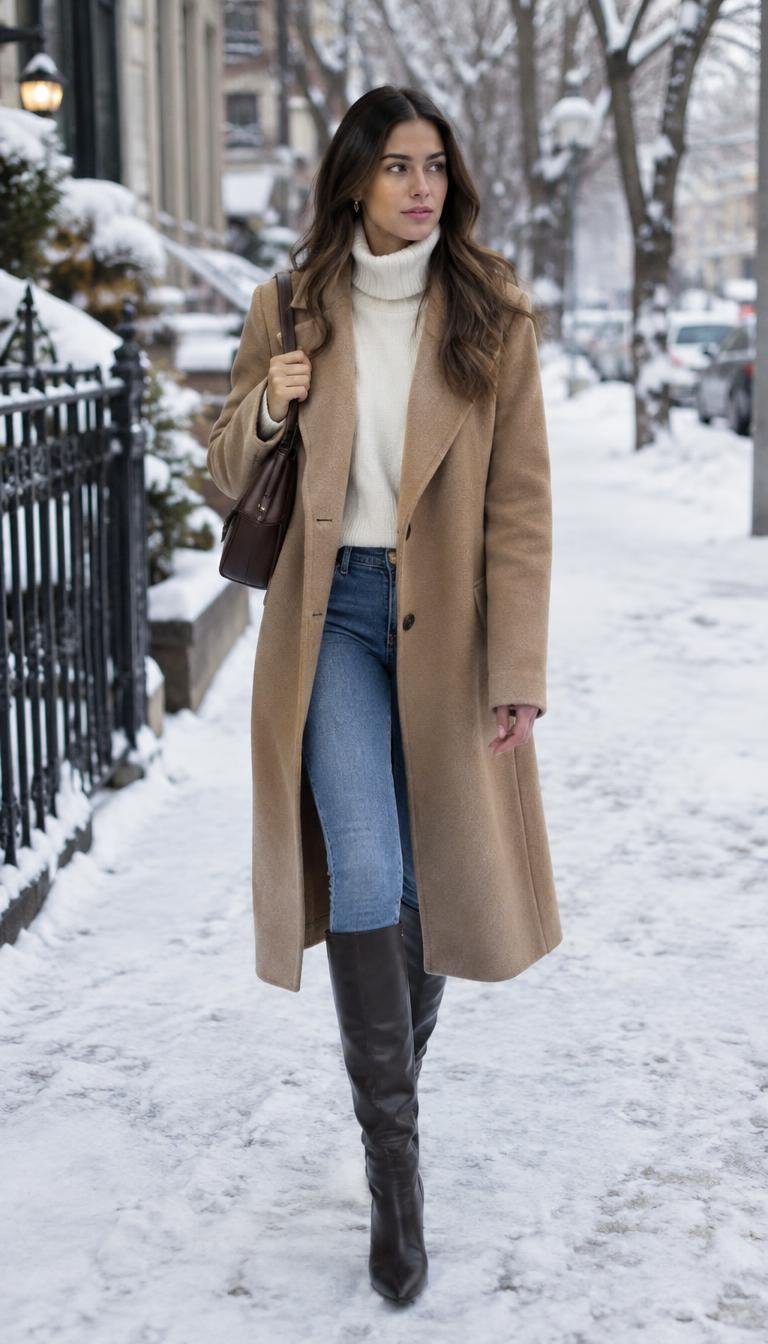
What to Wear for Family Photos: Outfit Ideas for Christmas and Winter
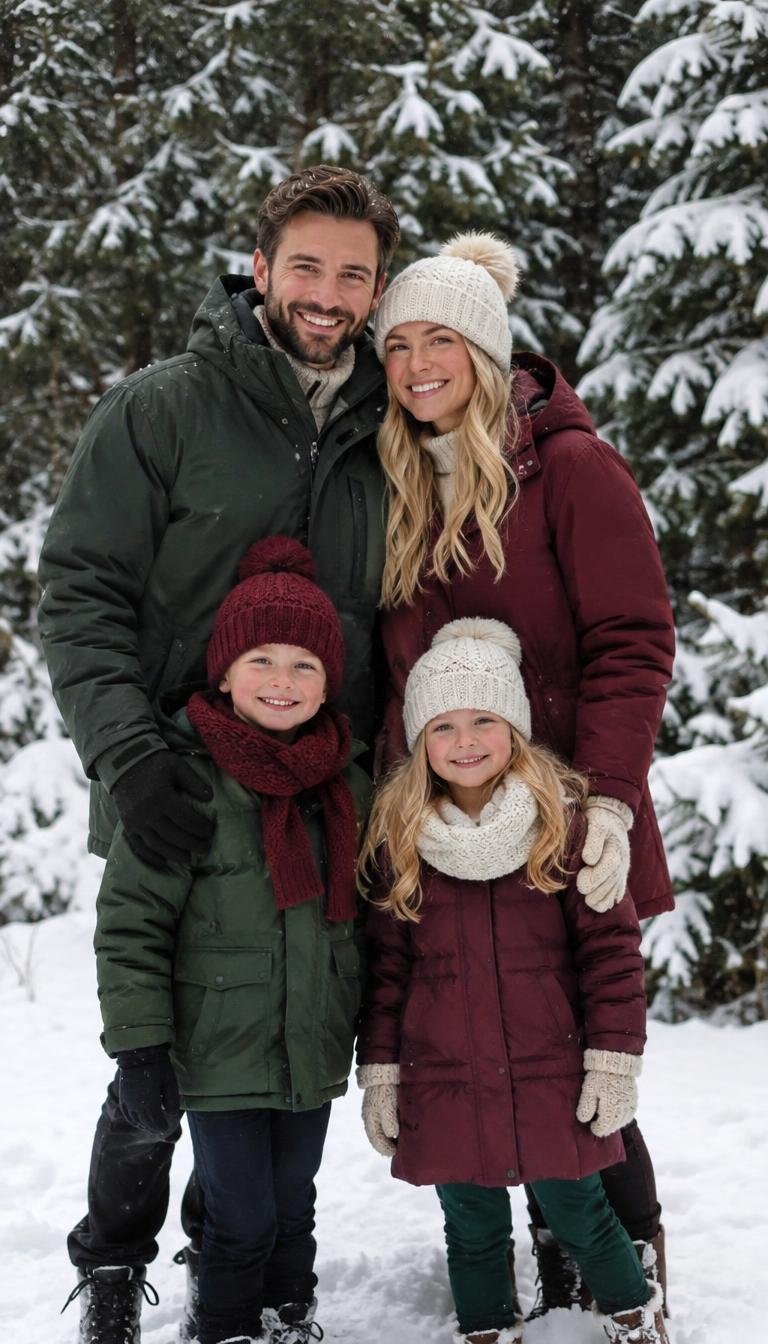
Planning family photo outfits for cold-weather portraits comes down to selecting two or three harmonizing colors, mixing tactile textures, and layering hidden thermals to keep everyone comfortable without bulk. A successful winter portrait session requires outfits that work with outdoor settings and digital camera sensors instead of matching identically. You want clothing that keeps your group warm while creating a polished, timeless look.
Many families struggle to balance cold-weather warmth with neat, stylish clothing during outdoor wardrobe planning. Thick winter coats often hide personal style and add unwanted bulk. Understanding color saturation helps solve this problem. In photography, color saturation means the intensity or purity of a color, which determines whether a shade appears vivid and bold or muted and soft in camera sensors.
When you dress your family, pick tones that sit well together rather than putting everyone in the same exact shirt. Take the stress out of picture day by building each ensemble step by step so every family member feels confident in front of the lens.
Key Takeaways
- Choose two or three foundational colors rather than matching identical outfits.
- Apply the 60-30-10 color rule to balance shades evenly across the group.
- Avoid stark white in snow to prevent blending into the background drifts.
- Mix textures like cable knit, wool, and corduroy to add visual depth.
- Use thin thermal base layers under clothing to stay warm without bulk.
- Test children’s complete outfits at home two days before the session.
Choosing Your Core Color Palette
A successful winter portrait palette relies on two or three foundational colors supported by neutral base layers. Sticking to a tight group of shades gives everyone an individual look while preserving visual unity. When deciding what to wear for family pictures, avoid letting each person pick an unrelated favorite color.
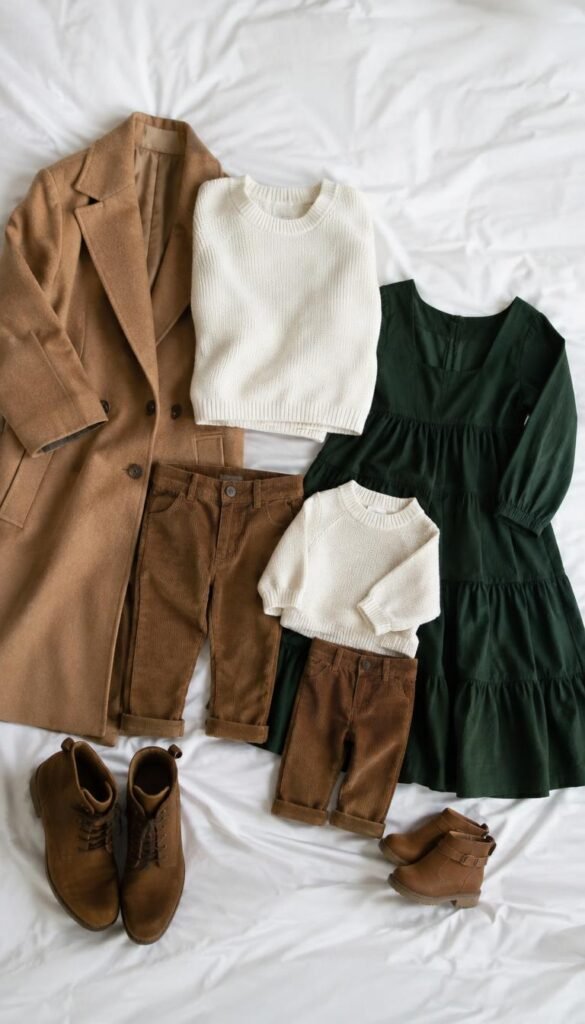
A coordinated family portrait works best when outfits harmonize rather than match identically. Dressing everyone in identical white shirts and blue jeans creates a dated, flat look. Instead, assign one dominant color to anchor the family. Then, give other members a secondary tone or an accent shade to create depth.
Dressing everyone in identical tops creates a flat, dated portrait, while blending distinct shades of a shared palette brings natural visual depth to the group.
Selecting Two to Three Dominant Tones
Start by selecting your main shades from classic winter options. Great family photo color schemes often combine rich charcoal, deep green, or warm camel. You can then add soft creams or heather grays as neutral bases.
Let each family member wear a different variation of these core colors. One person can wear a deep forest green sweater, while another wears an olive skirt. This strategy brings subtle variety while keeping the overall frame cohesive.
Harmonizing with Your Outdoor Location
Your outdoor setting should always influence the wardrobe decisions you make for the shoot. Evergreen tree farms look gorgeous with warm camel coats, burgundy scarves, and rich navy knitwear. Urban parks with exposed brick walls pair nicely with charcoal wool, cream sweaters, and muted blue tones.
Bright clothing can clash with subtle winter foliage and distract from genuine facial expressions. Low winter sunlight also picks up cool tones in stone and bare branches. Look at your planned photo location in advance so your family’s wardrobe complements the surrounding foliage, stonework, or open sky rather than clashing against it.
Designing Family Photo Outfits Using the 60-30-10 Rule
Applying the classic 60-30-10 color ratio ensures your family looks unified without resembling a uniform sports team. Interior designers use this balance to design living spaces, and it works just as well for family photo outfits. Using this ratio prevents one shade from overwhelming the entire portrait frame.
In this system, your dominant color makes up 60 percent of the visual presentation. Your secondary tone covers 30 percent, while your accent shade takes up the final 10 percent. This balance keeps the eye moving naturally across the family group without visual fatigue.
You can create the best outfits for family photos by distributing these percentages across coats, trousers, knitwear, and accessories. Follow these four steps to map out your wardrobe balance before picture day:
- Anchor one outfit with the main color palette.
- Distribute the 60 percent dominant neutral or base shade across pants, coats, and skirts.
- Assign the 30 percent secondary tone across knitwear and mid-layers.
- Sprinkle the 10 percent accent color via collars, scarves, or footwear.
To use these family photo outfit ideas, pick one key garment as the anchor piece. Mom’s floral dress or a toddler’s plaid flannel works wonderfully as this foundation. Inspect the individual threads in that item to select your supporting shades.
Once you pull the colors from that hero piece, assign them across the other family members. Dad can wear trousers matching the dominant shade, while an older sibling wears a sweater in the secondary tone.
Holiday Color Schemes for Christmas Portraits
Deep wine red paired with forest green gives Christmas portraits a festive atmosphere without the harsh contrast of bright primary shades. Saturated fire-engine red and bright grass green can bleed together on digital camera sensors. Subdued jewel tones and earthy holiday shades photograph with greater tonal richness and depth.

Carefully planned family photo color schemes ensure your holiday cards look refined. When you style christmas family photo outfits, mix dark tones with soft neutral layers. The following combinations produce the best christmas outfits for family photos in outdoor light.
| Palette Name | Dominant Tones (60%) | Secondary Tones (30%) | Accent Shade (10%) |
|---|---|---|---|
| Subdued Yuletide | Deep Wine Red | Forest Green | Warm Cream |
| Woodland Earth | Espresso Brown | Muted Olive | Warm Tan |
| Coastal Frost | Dark Navy | Slate Gray | Soft Cranberry |
| Warm Harvest | Charcoal Gray | Rust Orange | Mustard Gold |
Rich Jewel Tones and Forest Greens
Jewel tones add regal elegance to cold weather portraits without feeling artificial. Pair deep emerald or pine green with midnight navy and oatmeal knitwear. These deep shades look stunning against evergreen trees and dormant winter fields.
Understated Burgundy and Earthy Neutrals
Burgundy provides a warm holiday glow that flatters almost every skin tone. Pair rich wine sweaters with tan chinos, camel overcoats, and cream woolen scarves. This pairing feels seasonal without looking like a costume.
Modern Winter Pastels and Navy
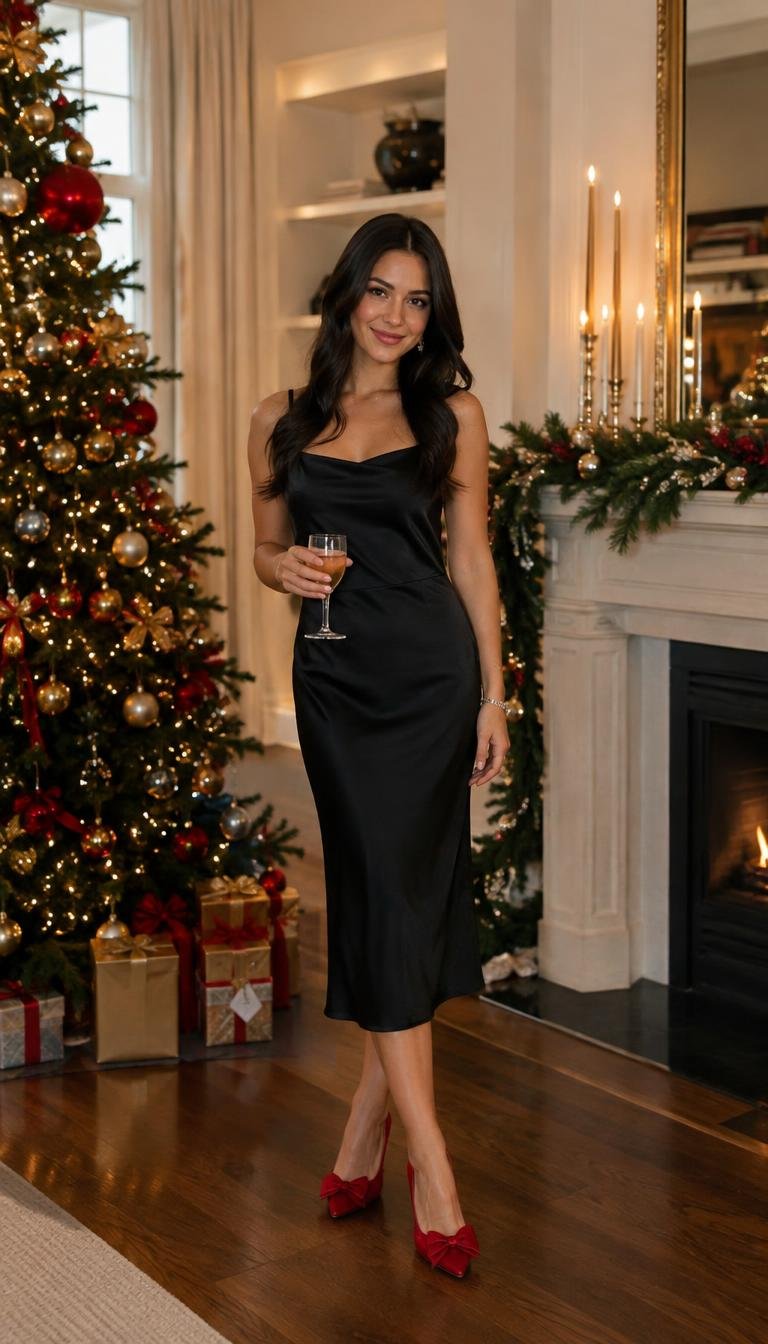
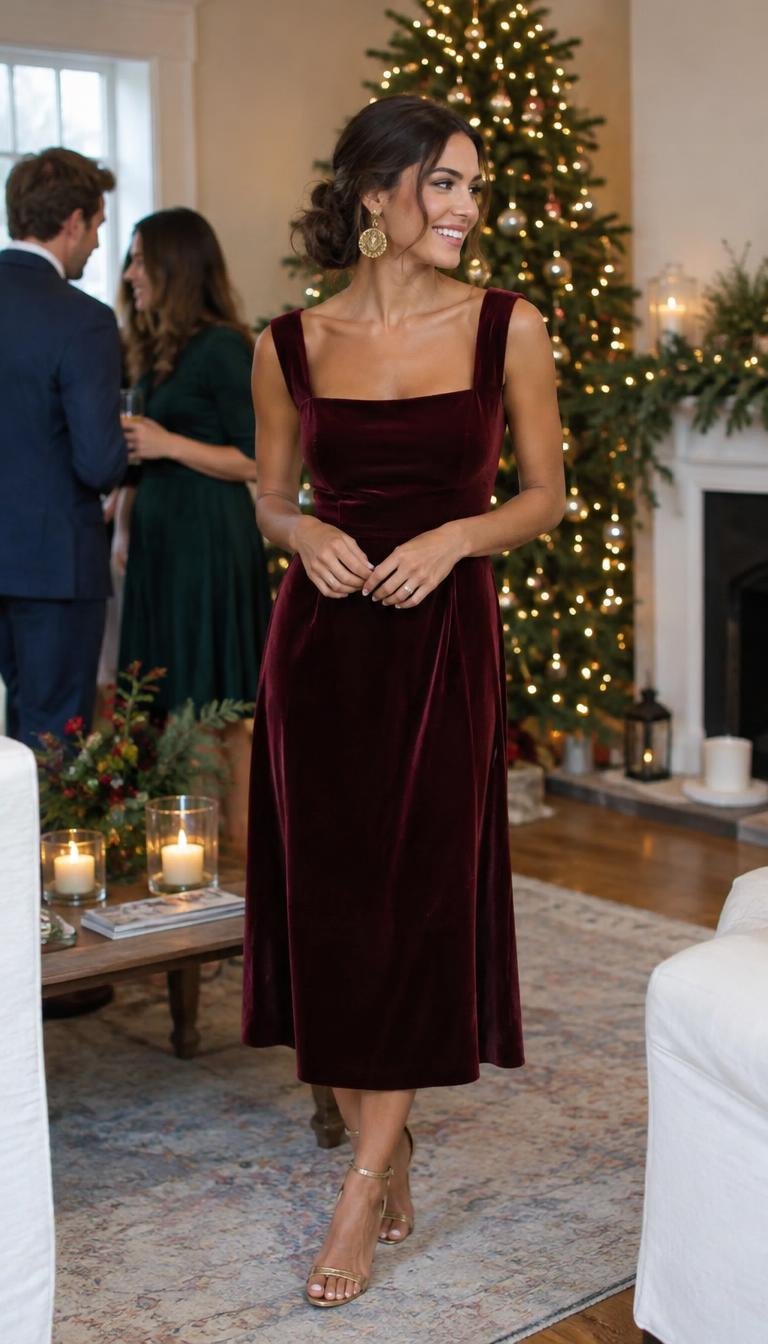
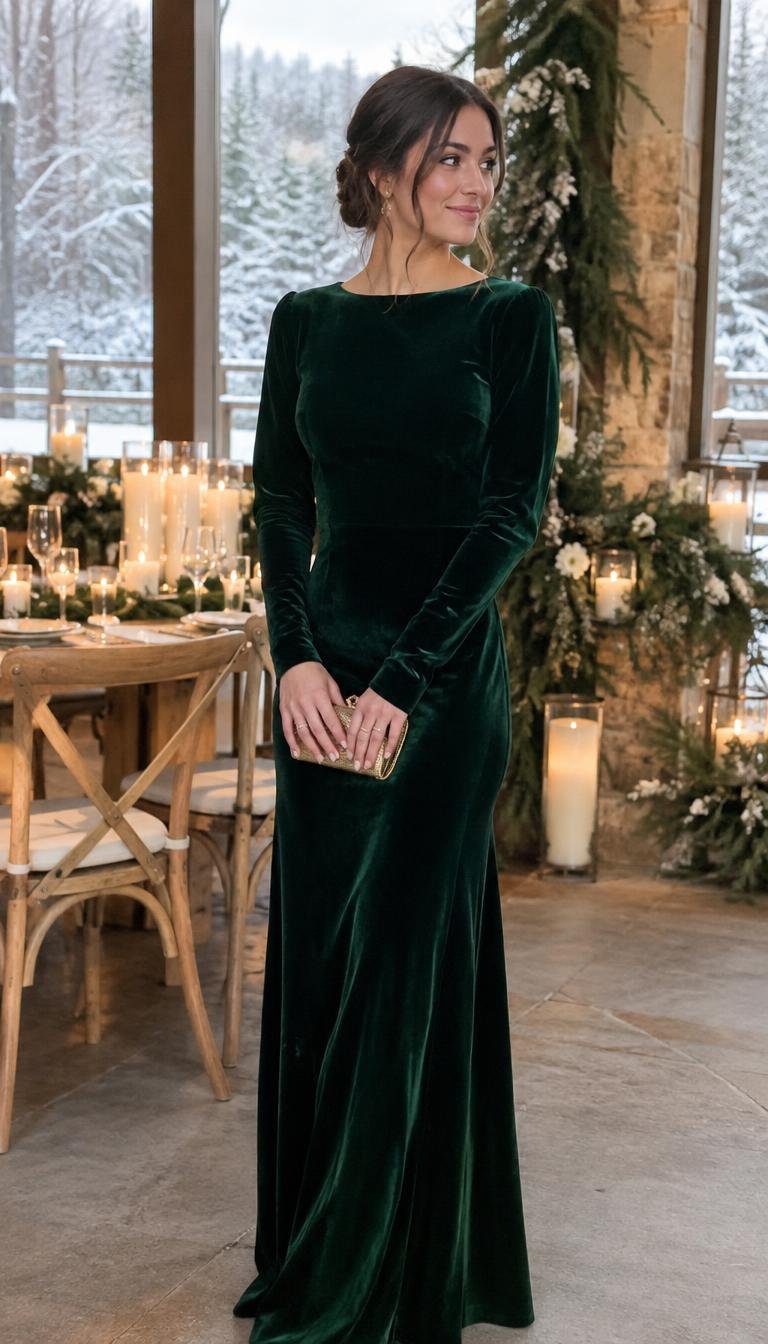
For a contemporary look, combine deep navy with soft blush, dusty blue, and heather gray. The dark navy grounds the group, while the pastel tones bring light to faces. Navy and cranberry with light oatmeal neutrals offer a sophisticated holiday mood that still works after December. If you are dressing for an indoor party instead of a photo shoot, see our Christmas outfit ideas for women.
Dressing for Snowy Landscapes Without Blending In
Pure white clothing causes subjects to vanish against snowy hillsides, leaving floating faces and hands in your final images. Camera light meters measure the bright snow and often turn white garments into a dull, muddy gray. Avoid wearing large blocks of stark white when shooting portraits in fresh snow.
To solve this problem, replace bright white tops with warm ivory, ecru, or oatmeal knitwear. These off-white tones hold their texture against bright backgrounds. When choosing what to wear for family pictures, rich creams provide the necessary separation from the bright snowpack.
You can also use dark neutral shades to create strong outlines against the white scenery. Charcoal coats, deep espresso jackets, and slate gray trousers give your family clear definition. These deep tones help the camera focus quickly on your family rather than the bright snow.
If you love crisp white, limit it to tiny accents near the face. A white collared shirt peeking out from under a dark sweater works nicely. A small white cuff or lace trim also photographs well without confusing the exposure meter.
Try using family photo outfit ideas that feature warm camel, rich cognac, and toffee brown against the snow. These earthy shades bring warmth to cold winter light.
Fabrics and Textures That Elevate Winter Portraits
Textured materials such as cable knits, wool, tweed, and corduroy bring tactile warmth and visual richness to cold-weather photography. Smooth, flat cotton often looks lifeless under soft winter skies. Heavy textured fabrics catch directional light and create natural shadows that bring portraits to life.

Building your family photo color schemes around tactile fabrics adds dimension to every pose. Mixing different materials keeps a single-color outfit from looking dull or flat. A navy cable-knit sweater looks entirely different on camera than smooth navy trousers.
Cozy Chunky Knits and Corduroy
Chunky knitwear is ideal for relaxed family portraits in chilly weather. Ribbed collars, cable patterns, and waffle weaves trap warm air while adding depth to the image. Thick corduroy trousers or skirts also provide wonderful ribbed lines that catch the lens.
Corduroy works particularly well for active children who need sturdy, warm pants for sitting on logs or benches. The thick pile reflects light softly, avoiding harsh glare. These comfortable fabrics help create the best outfits for family photos taken in rustic settings.
Wool, Tweed, and Flowing Fabrics
Tailored wool coats and tweed blazers add structure and timeless appeal to formal family portraits. Tweed contains tiny flecks of varied colored yarn that add subtle visual interest. A structured wool coat also creates clean body lines that look sharp in outdoor light.
Balance these heavy, structured materials with soft, flowing fabrics to keep the look gentle and natural. A mother wearing a flowing chiffon maxi skirt under a thick wool sweater creates beautiful movement. Jersey knit dresses also drape softly without adding stiff bulk.
Avoid fabrics made with shiny metallic threads, sequins, or slick nylon ski materials. Fluorescent colors and glossy synthetics create harsh glare under camera flashes.
How to Mix Patterns Without Visual Clutter
Restricting busy patterns to one or two family members prevents the group from turning into a chaotic wall of competing prints. Too many plaids, stripes, or florals confuse the camera and draw attention away from faces. Limiting patterns creates a restful balance that lets personal expressions take center stage.
When you brainstorm family photo outfit ideas, choose one hero print to lead your group design. Plaid is a beloved holiday choice, but three different plaids in one photo will clash. Keep the rest of the family in coordinating solid colors that complement the print.
Follow these four simple guidelines to mix prints cleanly across your family group:
- Select a single hero print such as tartan plaid or muted windowpane.
- Pull solid colors for other family members directly from the background threads of that print.
- Keep pattern scales small to medium to prevent moire distortion on camera sensors.
- Separate patterned garments across different standing positions so they do not touch in group poses.
Pattern scale plays a huge role in how clothes look on digital camera sensors. Tiny, tight stripes can cause an optical wavy shimmer known as moire distortion. Choose medium-scale windowpane checks, classic buffalo plaids, or subtle winter florals instead.
Spacing also matters when you decide what to wear for family pictures. If mom wears a patterned skirt, do not place a child in a patterned shirt right next to her. Separate print garments with solid coats or sweaters so the eye has places to rest. Keep the whole group within four colors in total.
Practical Layering Strategies to Stay Warm
Staying warm during an outdoor session requires thin, heat-trapping base layers rather than one heavy, shapeless ski jacket. Bulky parkas hide your waistline and make natural movement difficult during poses. Smart layering keeps everyone warm while preserving clean body outlines.
Begin building family photo outfits with fitted thermal underwear made from silk, merino wool, or synthetic fleece. These garments trap body heat without adding visible thickness under clothing. You can easily hide thermal tops under collared shirts and sweaters.
A four-tier system allows you to adapt quickly if the wind picks up during your shoot. The following breakdown shows how to assemble practical layering pieces for each person.
| Layer Level | Garment Type | Styling Function |
|---|---|---|
| Base Layer | Fleece-lined thermal tops and leggings | Traps core body heat invisibly beneath clothes |
| Mid Layer | Tailored button-down shirt or jersey top | Adds collar detail and color separation |
| Outer Layer | Chunky sweater, wool blazer, or pea coat | Provides structure, texture, and visual weight |
| Accent Accessories | Wool scarves, knit beanies, and leather gloves | Injects small pops of seasonal accent colors |
Accessories also double as functional layering pieces that keep freezing fingers and ears warm between camera shots. Ribbed beanies, plaid scarves, and fleece tights add charm while protecting against biting winter winds. Leather gloves in cognac or black keep hands looking neat.
Pack extra warm layers in the car. Cozy props help create spontaneous, loving interactions among family members. Bring along a thick wool blanket in your accent color to drape over family shoulders for natural, cozy closing poses.
Outfitting Children for Cold-Weather Smiles
A freezing, uncomfortable child will cut a portrait session short faster than any camera malfunction. Cold wind makes noses run and turns cheerful smiles into unhappy grimaces within minutes. Keeping young children warm and comfortable is the single most important rule for great photos.
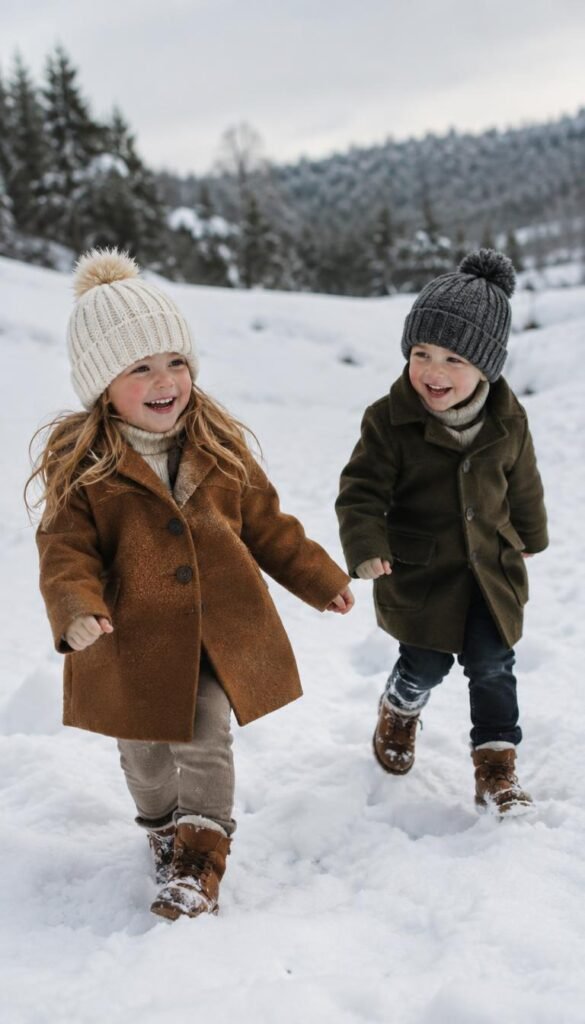
When selecting the best outfits for family photos, check every seam, label, and waistband. Scratchy wool sweaters worn over bare skin will irritate young children instantly. Always dress kids in soft cotton shirts or silk undershirts beneath heavier knits.
Stiff dress shoes can also ruin outdoor family photo outfit ideas. Thin patent leather shoes freeze little toes and slip easily on frozen mud or wet grass. Choose shearling-lined boots or matte leather ankle boots with rubber traction instead.
Run through these four quick comfort checks before leaving for your photo shoot:
- Inspect tagless necklines and soft inner seams.
- Ensure pants allow crouching and sitting without pulling down.
- Confirm socks stay upright inside boots without bunching.
- Pack backup thermal leggings in case damp snow soaks through.
Test the fit of your children’s clothes while they are playing, running, and sitting down. Pants that fit well standing up might dig painfully into their stomachs when they sit on a bench. Sleeves should allow kids to raise their arms easily for hugs without riding up past their elbows.
Do not wait until picture day morning to take the tags off new clothes. Have your children wear their complete outfits around the living room two days prior to catch scratchy seams, tight collars, or slipping boots before you reach the shoot location.
More holiday inspiration: Christmas outfit ideas for women · Cute winter outfits · Christmas hairstyles
Conclusion
Creating memorable family portraits in cold weather comes down to balancing deliberate color coordination with physical comfort. When you use subtle jewel tones, rich textures, and hidden base layers, your family can withstand winter breezes with genuine smiles. Thoughtful planning lets your family’s personal warmth shine through chilly conditions.
Whatever you choose, test everything well in advance. Pack a dedicated warm bag containing hand warmers, tissue packs, and slip-on boots for quick relief between camera setups. Lay every family member’s ensemble side by side across a neutral bedspread today to ensure your tones, textures, and layers harmonize before stepping out into the cold.